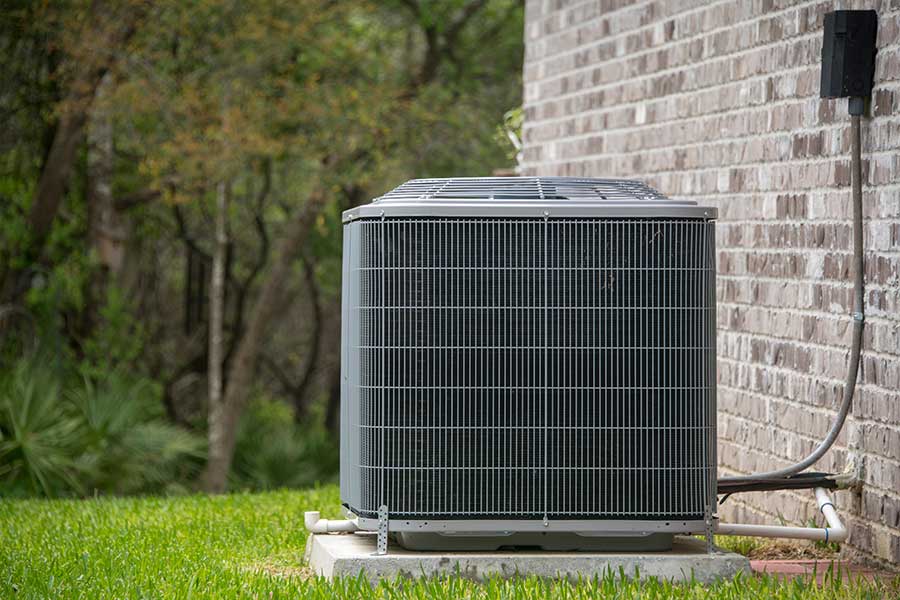
Summers in Mansfield, TX, are no joke. When temperatures along U.S. Highway 287 start climbing into the triple digits and the humidity rolls in from the south, air conditioning systems across the city take on a serious workload. What many homeowners don’t realize is that extreme heat doesn’t just make your home uncomfortable. It actively strains every component of your cooling system, accelerating wear and increasing the likelihood of breakdowns at the worst possible time. Our team provides AC repair in Mansfield, TX, to homeowners throughout the area, and peak summer heat is consistently when we see the most service calls. Understanding how heat affects your system is the first step toward protecting your investment and staying comfortable all season long.
How Extreme Heat Affects Your AC Efficiency
When outdoor temperatures climb, your AC unit has to work significantly harder to maintain the temperature set on your thermostat. This increased demand reduces overall efficiency, as the system is constantly fighting the heat rather than simply maintaining a comfortable baseline.
In our service calls throughout Mansfield, we regularly see units running in extended cycles during heat waves. Those cycles strain the system, consume more energy, and drive up monthly utility bills. The hotter the conditions outside, the more electricity your system needs to compensate, and the harder every component has to work.
A few key efficiency factors that suffer during extreme heat:
- Longer run cycles: The unit never fully reaches its off state, reducing rest time between cycles
- Reduced airflow efficiency: Dirty or restricted filters make an already-strained system work even harder
- Higher energy consumption: Operating costs spike as the system fights to maintain indoor comfort
- Accelerated wear: Components that rarely get a break during a heat wave degrade faster
Routine AC maintenance is one of the most effective ways to ensure your system handles extreme heat without sacrificing efficiency. A well-maintained system is far better equipped to manage the demands of a Mansfield summer than one that has been left to run without professional attention.
The Impact of High Temperatures on Refrigerant Levels
Refrigerant is the lifeblood of your cooling system, and extreme heat puts significant stress on the lines and components that keep it circulating properly. As your system works harder in high temperatures, the pressure in the refrigerant lines increases, potentially exposing existing vulnerabilities and leading to leaks that wouldn’t otherwise occur under normal operating conditions.
When refrigerant levels drop, the system loses its ability to effectively transfer heat out of your home. You’ll notice the air coming from your vents feels less cool, and the unit may run continuously without ever reaching the set temperature. This isn’t just an inconvenience. It’s a sign that the system is operating outside its design parameters and could be heading toward a larger failure.
Working in homes across Mansfield and the surrounding area, our technicians see refrigerant-related issues spike noticeably during the hottest stretches of the year. Some important things to understand about refrigerant in extreme heat:
- Elevated pressure inside refrigerant lines can cause leaks at connection points or in damaged sections of tubing
- A system low on refrigerant will run longer and work harder, compounding wear on other components
- Refrigerant handling and recharging require licensed professionals and is never a homeowner’s repair
- Addressing a refrigerant issue early prevents the more expensive damage that comes from running a depleted system
If your home isn’t cooling properly during a heat wave, a refrigerant issue is one of the first things a technician will investigate.
How Heat Stress Influences AC Components and Lifespan
Every major component inside your AC system has an operational tolerance, a range of conditions under which it performs as designed. Extreme heat pushes those tolerances to their limits, and in some cases, beyond them.
The compressor is the most critical and most expensive component in your system. It’s also the one most vulnerable to heat stress. When outdoor temperatures are extreme, the compressor runs hotter than usual and for longer periods, which accelerates the breakdown of internal lubricants. As those lubricants degrade, friction between moving parts increases, and the risk of compressor failure rises significantly.
Based on what we see in Mansfield, TX properties during the summer, the pattern is consistent: systems that haven’t had preventative maintenance are far more likely to experience component failures during heat waves than those that have been properly serviced. Heat stress affects the entire system, not just the compressor:
- Compressor: Overheats under sustained high-load operation, especially without adequate lubrication
- Fan motor: Works continuously in extreme heat, increasing the risk of motor burnout
- Capacitors: Heat degrades capacitors faster, and a failed capacitor is one of the most common reasons for a sudden AC shutdown
- Condenser coils: Exposure to prolonged high temperatures reduces their ability to release heat efficiently
The lifespan of an AC system that endures multiple summers of heat stress without proper maintenance is almost always shorter than that of one that receives regular professional care. Investing in seasonal service pays dividends in the long run.
Signs Your AC Is Struggling in Extreme Heat
Knowing what to watch for gives homeowners an important advantage. An AC system that’s beginning to fail under heat stress will often give clear warning signs before it shuts down completely. Catching these signals early means the difference between a manageable repair and a full system replacement at the height of summer.
In neighborhoods throughout Mansfield, from the communities near Broad Street to the newer developments off Matlock Road, we respond to calls where homeowners noticed these signs but waited too long to act. The most common indicators that your system is struggling include:
- Uneven or insufficient cooling: Rooms that feel warmer than the thermostat setting, or temperature differences between floors and areas of the home
- Weak airflow from vents: Reduced air pressure at registers suggests a blower issue, a clogged filter, or ductwork problems
- Unusual sounds: Grinding, rattling, or banging noises point to mechanical issues that worsen under heat stress
- Spiking energy bills: A sudden, unexplained increase in electricity costs often means the system is working far harder than it should to maintain temperature
- Ice formation on the unit: Ice on the refrigerant lines or indoor coil is a symptom of restricted airflow or refrigerant problems, not a sign that the system is working too well
- Frequent cycling or failure to start: Short cycling or difficulty starting can indicate capacitor failure or compressor stress
If any of these are present during a heat wave, it’s time to call a professional. A prompt AC repair call now is significantly less costly than waiting for the system to fail completely on the hottest day of the year.
Tips for Maintaining AC Performance During Heat Waves
While the technical servicing of your cooling system is the responsibility of a licensed professional, there are practical steps homeowners can take to support system performance during extreme heat. These measures won’t replace professional maintenance, but they do reduce unnecessary strain and help your system operate at its best between service visits.
A few things your household can do during a heat wave:
- Check air filters: A clogged filter restricts airflow, forcing the system to work harder. Filters should be inspected monthly during peak cooling season and replaced when dirty
- Keep the outdoor unit clear: Debris, overgrown vegetation, and obstructions around the condenser unit reduce its ability to release heat. Maintain at least two feet of clearance on all sides
- Use ceiling fans strategically: Running ceiling fans in occupied rooms allows you to raise the thermostat a few degrees without sacrificing comfort, reducing load on the AC
- Manage heat gain through windows: Closing blinds and curtains on south- and west-facing windows during the hottest hours of the day reduces the amount of heat your system has to remove
- Avoid heat-producing appliances during peak hours: Ovens, dryers, and other high-heat appliances add to the indoor heat load your AC must manage
For longer-term performance protection, scheduling a professional tune-up before summer peaks is the single most effective step a homeowner can take. A trained technician can identify worn components, verify refrigerant levels, clean coils, test electrical connections, and ensure the system is prepared for the demands ahead.
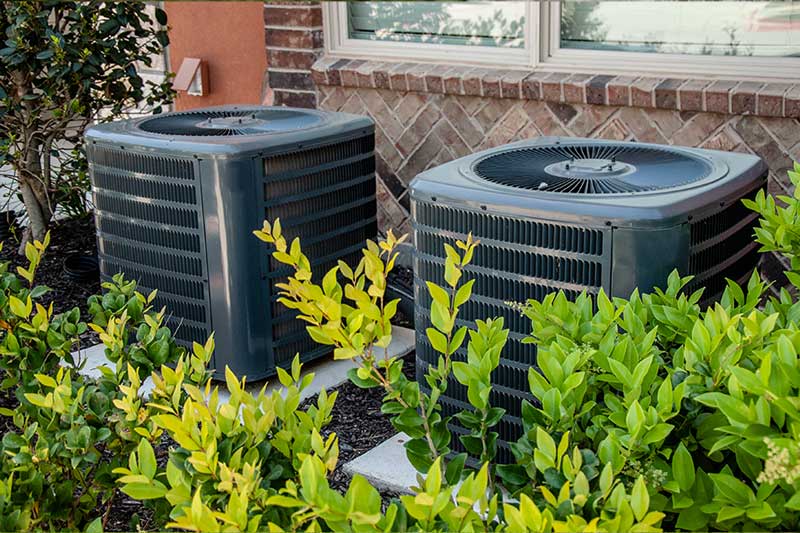
Keeping It Cool in Mansfield, the Cool Hand Electric Way
At Cool Hand Electric, Heating, & AC Repair, we’ve been helping Mansfield homeowners stay comfortable since 2015. Extreme heat is a fact of life in North Texas, and your air conditioning system is your most important line of defense against it. Our technicians know these neighborhoods, understand the demands that Texas summers place on cooling systems, and know how to keep your AC performing reliably when the heat is at its worst. Schedule your AC tune-up before the next heat wave hits and protect your comfort all season long.