
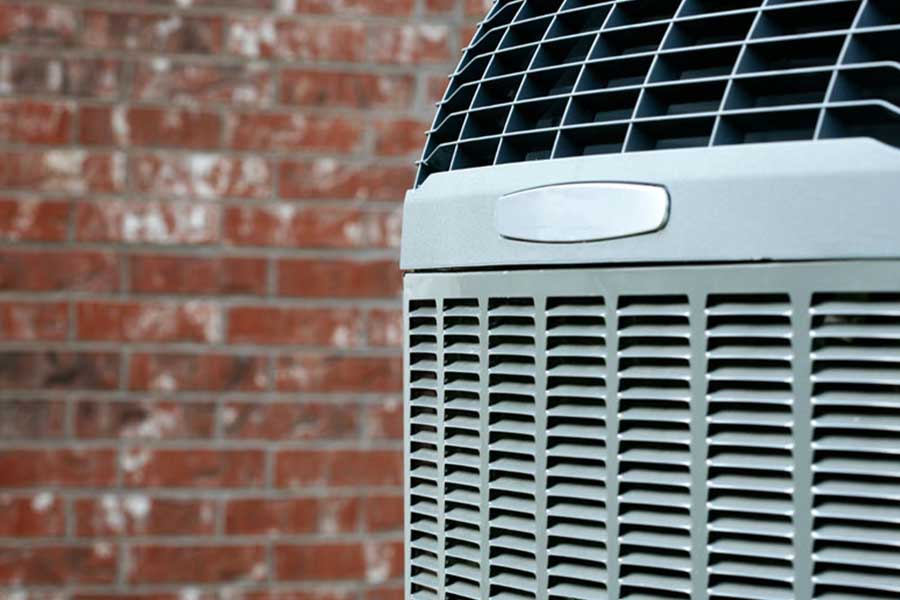
Mansfield, TX summers are relentless. From the time temperatures start climbing in late spring through the long stretch of triple-digit days that define July and August, residential cooling systems across the city are running hard and often falling short. In our service calls throughout Mansfield, from the established neighborhoods near Historic Downtown to the newer developments along Broad Street and beyond, we see a consistent set of conditions that explain why so many homes struggle to stay comfortable. The good news is that most of these issues have clear, professional solutions that make a measurable difference in comfort and energy costs.
Common Reasons Homes Struggle With Cooling in Mansfield, TX
No single factor is usually responsible when a home can’t keep up with cooling demands. More often, it’s a combination of issues working against the system simultaneously. Understanding the most common contributing factors helps homeowners identify what’s actually driving the problem rather than just addressing symptoms.
The most frequent causes our team encounters include:
- Inadequate insulation: When insulation is insufficient or has degraded over time, conditioned air escapes, and outdoor heat infiltrates, forcing the cooling system to run constantly to compensate
- Aging or undersized HVAC equipment: A unit that’s too small for the home, or one that has aged past its efficient operating range, simply cannot meet demand during peak heat, regardless of how well it’s maintained
- Poor ventilation: Trapped heat in attic spaces and rooms with limited airflow creates pockets of warmth that the system struggles to address
- Blocked or leaking ductwork: Obstructed ducts reduce airflow delivery to the rooms that need it most, while leaking ducts waste conditioned air before it ever reaches a vent
- Unsealed windows and doors: Air infiltration around poorly sealed openings adds a constant supply of hot outdoor air that undermines cooling efficiency
- Electrical issues limiting system performance: Inadequate power supply, overloaded circuits, or outdated wiring can prevent a cooling system from running at full capacity, even when the equipment itself is in good condition
Addressing any one of these in isolation may produce some improvement, but a comprehensive assessment is the most reliable way to identify what’s actually limiting a home’s cooling performance.
How Insulation Affects Your Home’s Cooling Efficiency
Insulation is one of the most overlooked factors in residential cooling performance, and it’s one of the most impactful. A well-insulated home holds conditioned air longer, reduces the frequency and duration of cooling cycles, and maintains more consistent temperatures from room to room.
When insulation is thin, compressed, or absent in key areas like the attic floor, exterior walls, and around ductwork, heat transfers through those surfaces continuously. On a 105-degree afternoon in Mansfield, TX, that heat gain is relentless, and the cooling system has to work against it constantly to hold the set temperature.
Based on what we see in Mansfield properties, homes built before the mid-1990s are particularly likely to have insulation that no longer meets the performance standards for which their current HVAC systems were designed. Upgrading insulation in critical areas not only reduces the load on the cooling system but also allows the AC repair in Mansfield, TX, investments homeowners make to actually deliver the performance they were designed to provide.
The Role of HVAC Systems in Maintaining Comfortable Temperatures
A properly functioning, correctly sized HVAC system is the foundation of reliable home comfort. When either of those conditions is missing, no amount of other improvements will fully compensate.
Equipment sizing is one of the most consequential decisions in residential HVAC. An undersized unit runs continuously without ever reaching the set temperature. An oversized unit short-cycles, shutting off before it can effectively remove humidity from the air, which leaves the home feeling clammy and uncomfortable even at lower temperatures. Both scenarios drive up energy costs and accelerate equipment wear.
Beyond sizing, system condition matters enormously. Key factors that determine whether an HVAC system can meet Mansfield’s summer demands include:
- Filter condition: A clogged filter restricts airflow through the system, reducing both capacity and efficiency
- Coil cleanliness: Dirty evaporator and condenser coils significantly reduce the system’s ability to transfer heat
- Refrigerant levels: A system operating with low refrigerant cannot cool effectively and will run longer cycles trying to compensate
- Annual professional maintenance: Scheduled AC maintenance allows technicians to catch developing issues before they become failures and verify that the system is operating at its rated efficiency
Homeowners who invest in consistent professional maintenance get measurably better performance and longer equipment life than those who defer service until something breaks.
Why Do Electrical Issues Complicate Cooling Demands?
An HVAC system is only as capable as the electrical supply feeding it. When that supply is compromised, even a well-maintained, properly sized unit will fall short of its rated performance.
Overloaded circuits are one of the most common electrical contributors to cooling problems. When an AC unit shares circuits with other high-draw equipment, voltage drops and inconsistent power delivery can cause the unit to cycle on and off erratically. That short-cycling pattern reduces cooling output, increases compressor wear, and simultaneously drives up electricity costs.
Outdated wiring is another significant factor in older Mansfield homes. Modern high-efficiency HVAC systems require a stable, adequately sized electrical supply. Wiring installed for older, lower-draw equipment may not meet the requirements of a newer unit, limiting performance and increasing the risk of premature system failure.
A professional electrical inspection can identify whether the wiring, panel capacity, and circuit configuration are adequate to support the home’s cooling equipment. In some cases, an electrical panel repair and replacement is the upstream fix that allows the HVAC system to perform as designed.
Tips for Improving Your Home’s Cooling Performance
While the core work of diagnosing and correcting cooling performance issues belongs to licensed professionals, there are practical steps homeowners can take to support their system between service visits and reduce unnecessary load during peak heat.
- Seal air infiltration points: Weather stripping around doors and caulk around window frames prevent hot outdoor air from continuously entering conditioned spaces. Even small gaps add up to meaningful heat gain over the course of a day
- Manage window heat gain: Closing blinds and curtains on south- and west-facing windows during the hottest hours of the afternoon significantly reduces the radiant heat load the system has to remove
- Use ceiling fans to support the system: A ceiling fan installation in regularly occupied rooms allows the thermostat to be set a few degrees higher without sacrificing comfort, reducing compressor run time
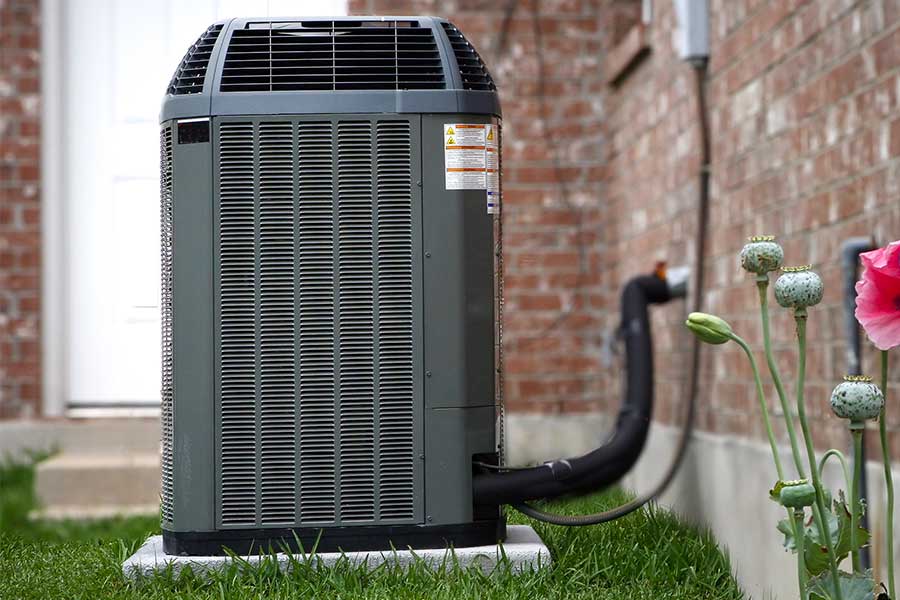
- Keep the outdoor unit clear: Maintaining clearance around the condenser unit and keeping it free of debris ensures it can release heat efficiently
- Schedule professional maintenance before summer peaks: Having a technician verify refrigerant levels, clean coils, and inspect the system before the hottest stretch of the year is the single most effective proactive step a homeowner can take
These measures work best as complements to a professionally serviced, properly functioning system rather than substitutes for one.
Staying Cool in Mansfield, the Cool Hand Electric Way
Struggling with cooling in a Texas summer is frustrating, but it’s rarely a mystery. At Cool Hand Electric, Heating, & AC Repair, we’ve been diagnosing and correcting residential comfort problems across Mansfield since 2015, and the combination of insulation gaps, aging equipment, and electrical limitations that drives most of these issues is something our team knows how to address thoroughly and efficiently. If your home isn’t keeping up this summer, schedule your AC tune-up and let us identify exactly what’s standing between you and a comfortable home.